
Before I went, I thought I understood
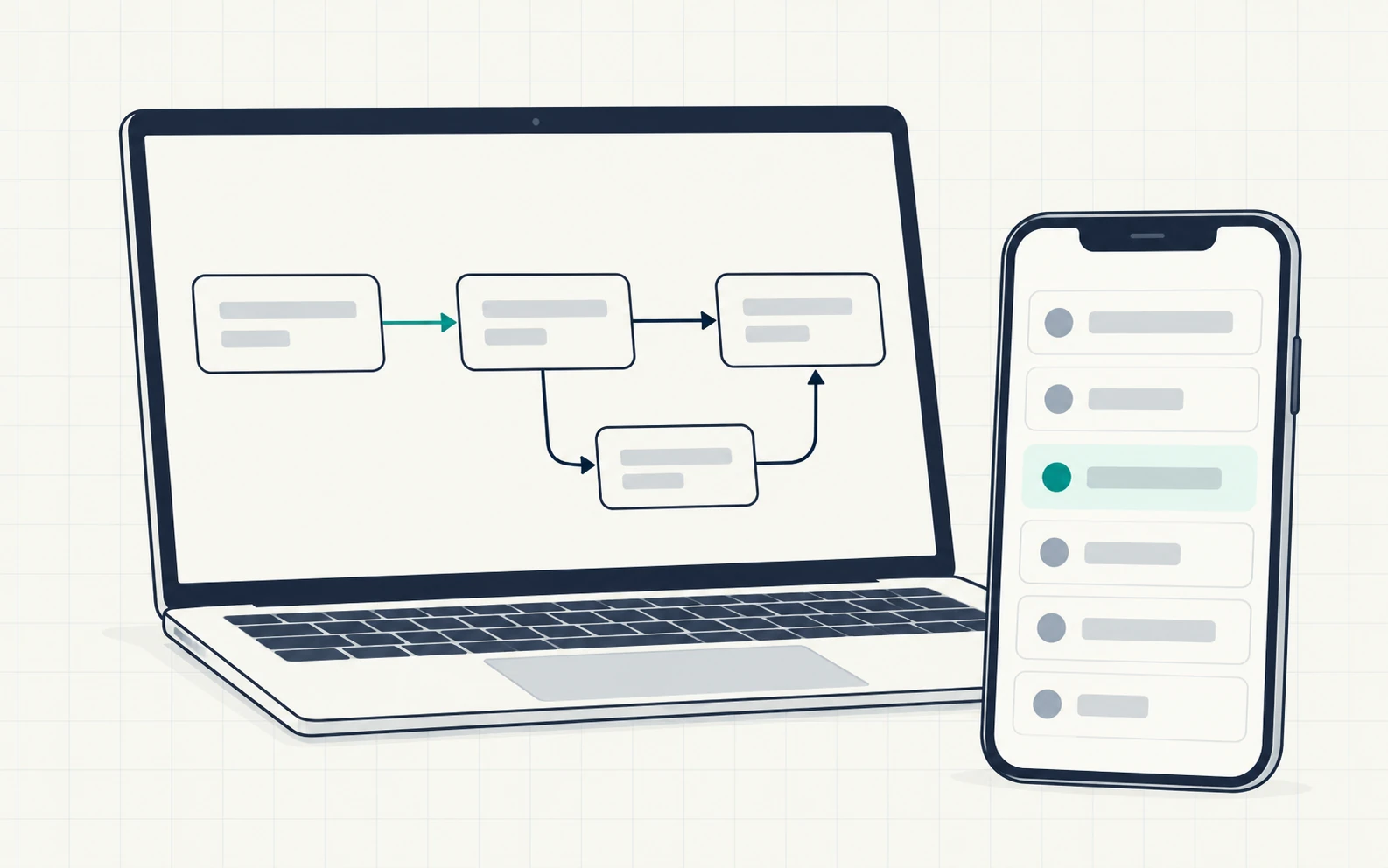
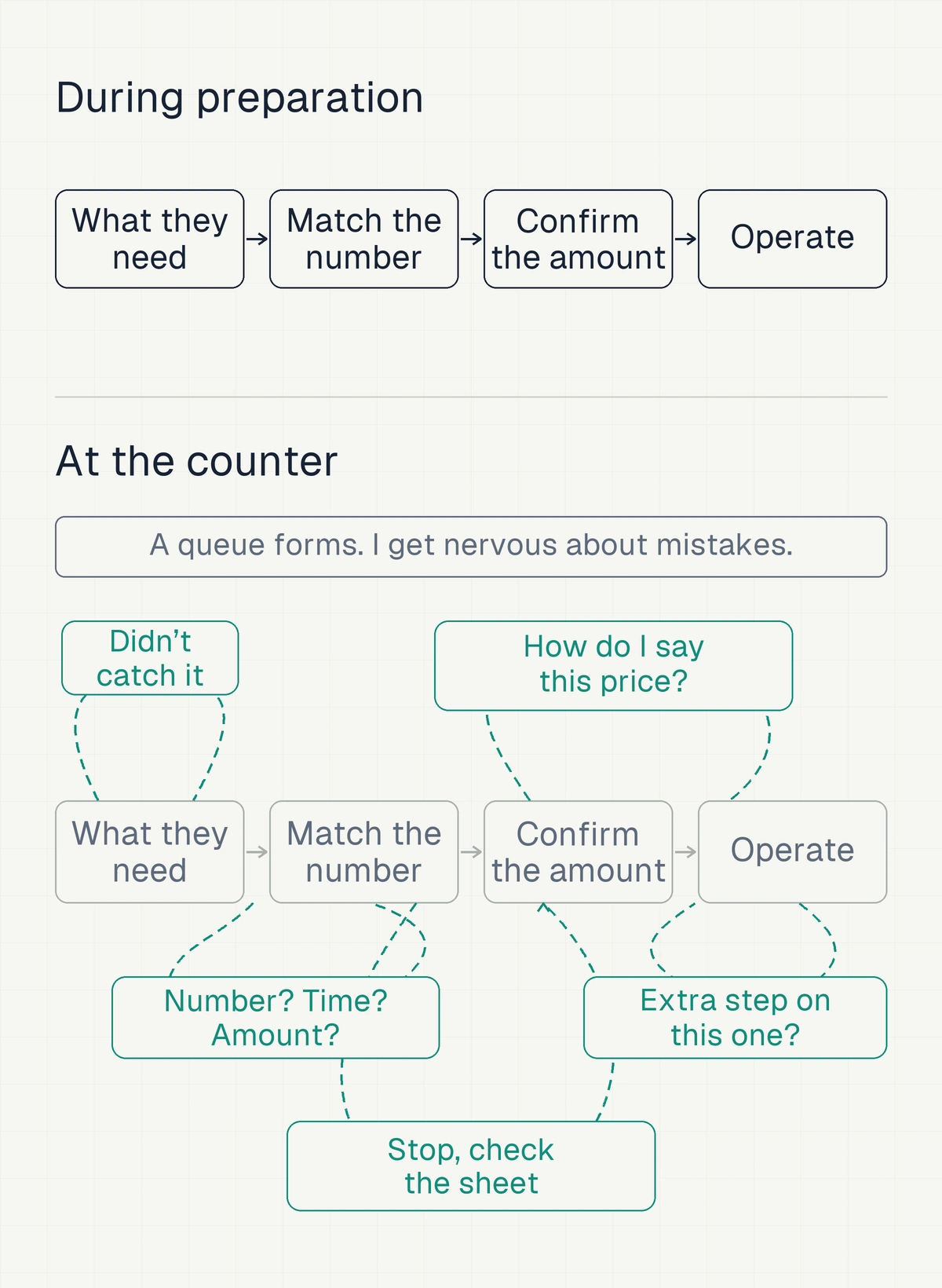
Before going in, I did quite a bit of preparation. When someone explained the work, it honestly didn’t seem hard. I then mapped out the process as a flowchart myself and organised the steps and reference numbers into a quick-reference sheet on my phone. Going over it again before I started, I felt like I understood.
The preparation looked fairly complete.
Once I was actually at the counter, things were more manageable when there weren’t many customers.
There was a lot of English I didn’t catch. When a customer said a number, I needed a moment to react, then work out whether they meant a reference number, a time or an amount. When it was my turn to say a price, I also needed to turn the number in front of me into spoken English.
The machines weren’t all that clear either. Some needed an extra step; others worked a little differently. I was trying to work out what I’d just heard and how to use that particular machine at the same time. Some things were written down perfectly clearly, and I still forgot them when I needed them. I had to check again.
When more people came in and a queue formed, I started getting nervous. I was worried about making a mistake. Things that already took me a moment became harder to put together.
When I couldn’t keep up, the person showing me the work might step in.
Why was it so hard to process things at the counter?
Afterward, I kept thinking about those few hours.
I’d read the material and thought I understood it. So why was it so hard to process things at the counter?
I struggled with the English, the numbers and the differences between machines. I also got nervous about mistakes when a queue formed. I can describe those difficulties, but I still haven’t worked out why my head couldn’t put things together in that situation.
At my computer, at the counter
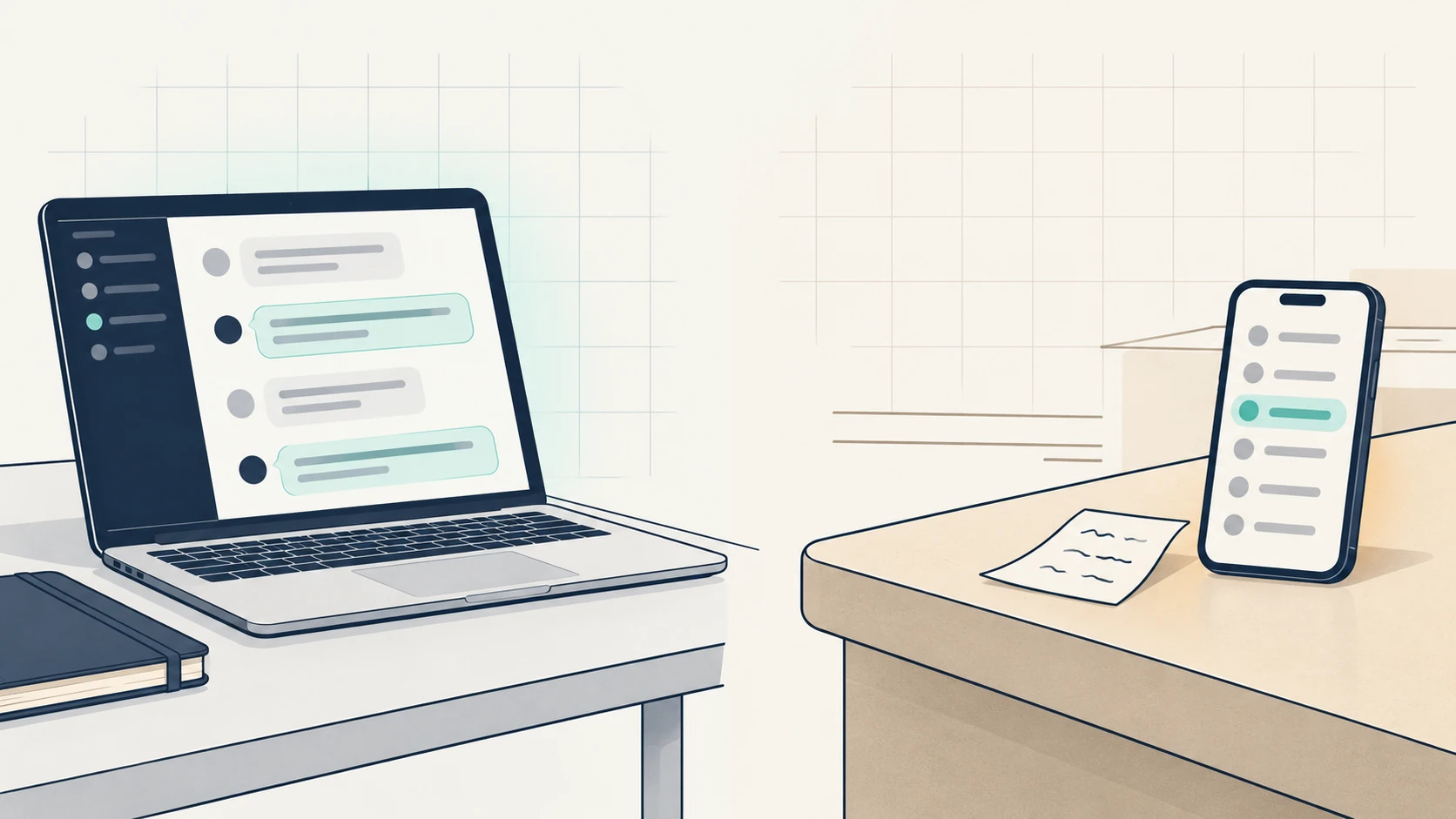
I’ve spent a lot of time exploring what AI can do. I use advanced models to build websites, organise material and work through problems. With their help, I can get a lot of things done, bit by bit.
When I run into a problem, I can go back and forth with AI. If I don’t understand, I can ask another way. If something isn’t right, I can revise it. Sometimes it takes many rounds to work something out. I’m familiar with that process. I also spend a lot of time in front of a computer and don’t actually have that much contact with people.
But at the counter, I still had to understand what customers said and say the prices myself. I had the flowchart and reference sheet I’d put together beforehand, and there were still times when I couldn’t keep up.
I use advanced models to get things done every day, and here I was dealing with handwritten slips, different machines and customers I needed to respond to in English. Both were part of my life. Put together, they still felt a little unreal.
Afterward, I spent a long time trying to sort through it myself. That gap between thinking I understood and struggling to do the work also made me think about the things I’d made with AI’s help.
AI has helped me get a lot done, but have I been getting better along the way? How much do I understand about the things I’ve made with its help, and how much of that can I use the next time I face a problem? I’m still confused, and I don’t have an answer yet.
When they use it for the first time
Thinking about myself that day, I also think about older customers who aren’t familiar with the controls. Might they feel something similar the first time they face a new system? What if there’s a queue behind them too?
Right now, some things can be dealt with by talking to someone, with help available when it’s needed. What if some of the things they used to ask a person about also became things they had to operate themselves?
I’ve often heard people described as being “left behind.” Now I find myself wondering whether some systems were designed without considering people who aren’t familiar with how to use them.
Thinking about this, I’m beginning to understand why some things still need a person, why someone might need to ask a question face to face.
Looking at how things work here, I’m starting to understand what people mean by “there’s a reason it’s done this way.” I think the current approach works well. Honestly, I haven’t thought of a more sensible way of doing it.
Those few hours were pretty tiring.
But for some reason, I felt clear-headed.